Good and Bad People Good and Bad People
    #socialmedia #usa #uk #contentwriter #ai
    Uitgebreid zoeken
  • Inloggen
  • Registereren

  • Nachtstand
  • © 2025 Good and Bad People
    About • Directory • Contact Us • Developers • Privacy Policy • Terms of Use • Terugbetaling • Referral Terms • Acceptable Use Policy • Community Guidelines • Write for Us

    kiezen Language

  • Arabic
  • Bengali
  • Chinese
  • Croatian
  • Danish
  • Dutch
  • English
  • Filipino
  • French
  • German
  • Hebrew
  • Hindi
  • Indonesian
  • Italian
  • Japanese
  • Korean
  • Persian
  • Portuguese
  • Russian
  • Spanish
  • Swedish
  • Turkish
  • Urdu
  • Vietnamese

Horloge

Horloge Rollen

Evenementen

Bladeren door evenementen Mijn gebeurtenissen

blog

Blader door artikelen

Markt

nieuwste producten

Pagina's

Mijn pagina's Liked Pages

Meer

Onderzoeken populaire posts Jobs Aanbiedingen financieringen
Rollen Horloge Evenementen Markt blog Mijn pagina's alles zien

Ontdekken posts

Posts

Gebruikers

Pagina's

Groep

blog

Markt

Evenementen

Jobs

financieringen

Grace's Gorgeous Pins
1 y ·Vertalen

Unleashing Creativity: Amazing Drawing Ideas to Inspire Your Artistic Journey

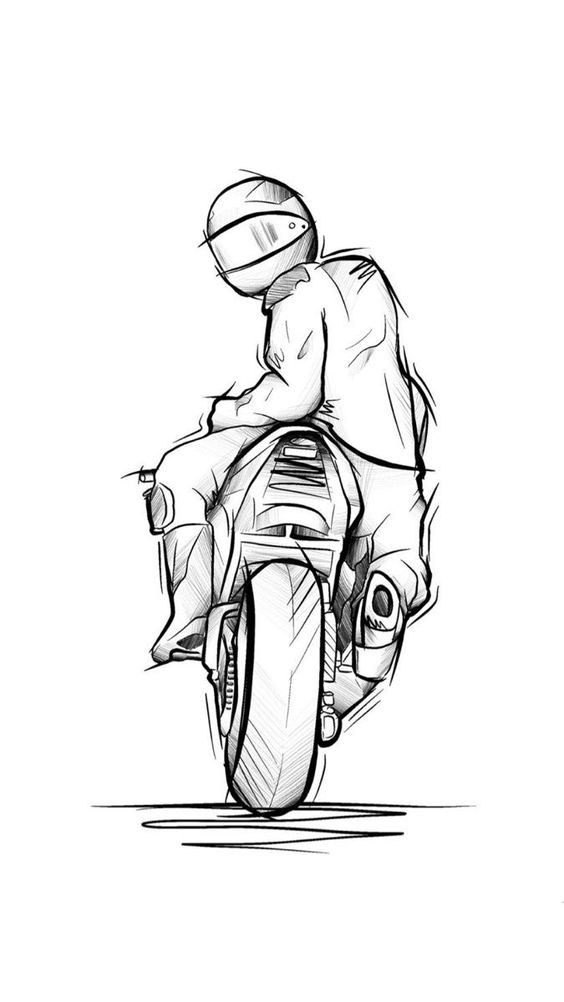
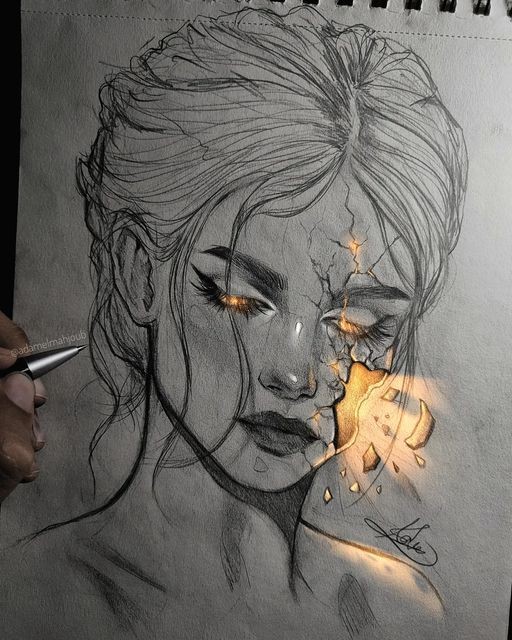
Drawing is a powerful medium that allows you to express your innermost thoughts and emotions through lines, shapes, and colors. Whether you're an aspiring artist or a seasoned creator, finding fresh and exciting drawing ideas can invigorate your practice and push your skills to new heights. Here are some amazing drawing ideas to spark your creativity and inspire your next masterpiece.

1. Surreal Landscapes

Combine elements of the real and the fantastical to create surreal landscapes. Imagine a world where floating islands drift above a serene ocean, or where trees have glowing, bioluminescent leaves. By merging everyday scenes with dreamlike elements, you can create a drawing that is both captivating and thought-provoking.

2. Portraits with a Twist

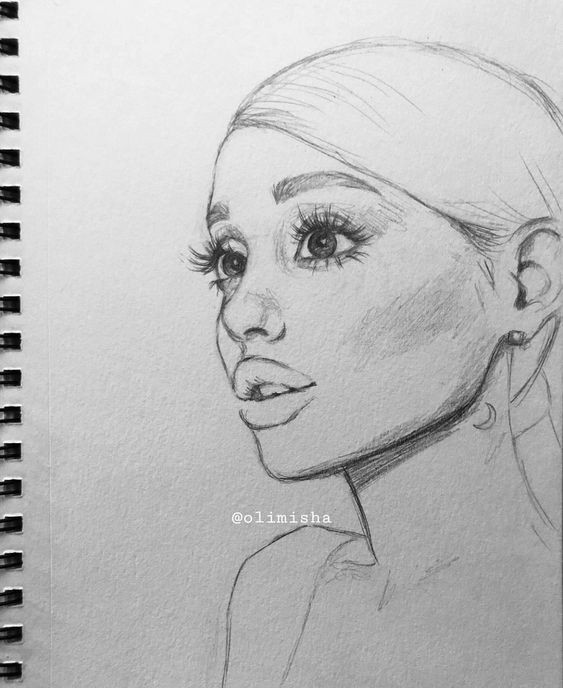
Portraits are a classic subject, but you can put a unique spin on them. Try drawing a portrait with elements of nature woven into the hair, or depict your subject as a mythical creature. Experiment with different styles, such as cubism or abstract, to add a fresh perspective to your portrait work.

3. Animal Hybrids

Let your imagination run wild by combining features of different animals to create unique hybrids. Imagine a creature with the wings of an eagle, the body of a lion, and the tail of a serpent. This exercise can help you practice anatomical accuracy while also allowing for creative freedom.

4. Fantasy Architecture

Design your own fantastical buildings and structures. Think of castles floating in the sky, ancient temples buried in the jungle, or futuristic skyscrapers with organic designs. This type of drawing challenges you to think about perspective, scale, and imaginative design.

5. Everyday Objects with Personality

Bring everyday objects to life by giving them personalities and emotions. Draw a teapot with a cheerful face, a pair of glasses that look inquisitive, or a book that seems contemplative. Adding character to ordinary items can make them more engaging and fun to draw.

6. Time Travel Scenes

Explore different eras and future possibilities by drawing time travel scenes. Imagine what a historical event might look like with futuristic technology, or how a contemporary scene would appear if it were set in a bygone era. This approach allows you to experiment with different styles and settings.

7. Abstract Emotions

Translate emotions into abstract art by using shapes, colors, and textures. For example, you might use jagged lines and dark colors to express anger, or smooth curves and pastel hues to depict calm. This type of drawing can help you connect with your emotions on a deeper level and improve your understanding of visual expression.

8. Underwater Worlds

Create intricate drawings of underwater worlds teeming with marine life. Picture colorful coral reefs, schools of exotic fish, and mysterious sea creatures. This theme offers endless opportunities for detail and vibrant color use.

9. Retro Futurism

Imagine how the future was envisioned in the past. Draw futuristic technology and spaceships with a retro twist, reflecting the style of mid-20th-century sci-fi. This can be a fun way to explore nostalgic elements while creating something entirely new.

10. Mixed Media Mashups

Combine different drawing materials and techniques to create a mixed media masterpiece. Use pencils, ink, watercolor, and digital tools to experiment with textures and effects. This approach can help you discover new methods and expand your artistic range.

Conclusion

Drawing is a dynamic and versatile form of art, and exploring various themes and ideas can keep your practice exciting and fulfilling. Whether you’re depicting surreal landscapes or reimagining everyday objects, the key is to embrace creativity and experiment with different techniques. So grab your pencils, set your imagination free, and let these amazing drawing ideas guide you on your artistic journey.

image
Respect!
Kommentar
Delen
Grace's Gorgeous Pins
1 y ·Vertalen

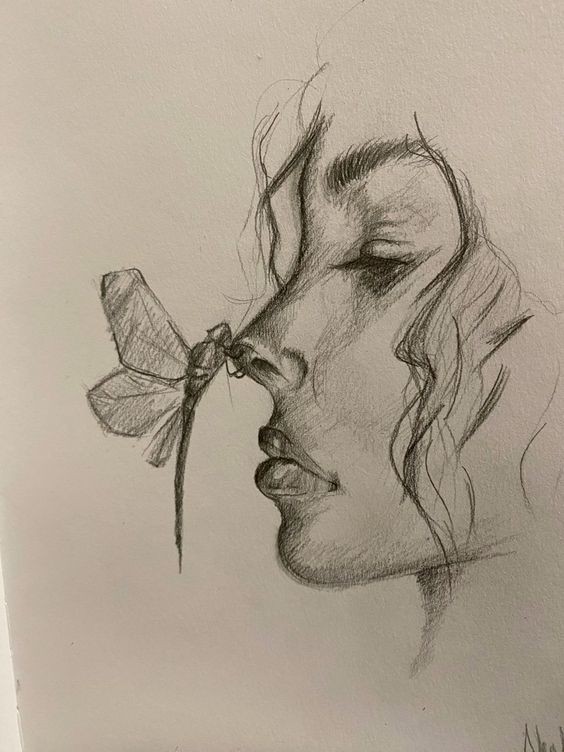
The Art of a Bug on Your Nose: A Playful Drawing Adventure

Drawing a whimsical bug on your nose might sound like an odd endeavor, but it's a delightful exercise in creativity and fun! This playful activity combines art and humor, resulting in a unique and personal expression that’s sure to spark joy and laughter. Here’s a step-by-step guide to help you create a charming bug design that will turn your nose into a tiny canvas of whimsy.

Step 1: Gather Your Supplies

To begin your bug-drawing adventure, you’ll need some basic materials:

Face-safe markers or face paints: Opt for non-toxic and dermatologically tested products.

Cotton swabs: Useful for touch-ups and blending.

Mirror: A handheld or wall mirror will help you see what you’re doing.

Wipes: For any necessary clean-ups.

Step 2: Choose Your Bug

Pick a bug that sparks your interest. It could be a ladybug, butterfly, dragonfly, or even a tiny ant. The simpler the design, the easier it will be to draw on such a small canvas.

Step 3: Prepare Your Canvas

Make sure your face is clean and dry before you start. Lightly moisturize if your skin is dry, but avoid heavy creams that could affect the paint’s adherence.

Step 4: Draw the Outline

Using your face-safe marker or paint, gently sketch the outline of your chosen bug on your nose. Start with the basic shapes—such as the body and wings of a butterfly or the shell and spots of a ladybug. Keep your lines light and avoid pressing too hard to ensure you can easily correct any mistakes.

Step 5: Add Details

Once you have the basic outline, add details like eyes, legs, and intricate wing patterns. For a ladybug, add black spots and small antennae. For a butterfly, create colorful patterns on the wings. If you’re drawing a dragonfly, include delicate wing veins.

Step 6: Perfect the Design

Step back and check your work in the mirror. Use a cotton swab to correct any uneven lines or smudges. Add any finishing touches to enhance your design. If you’re using paint, you might need to let it dry for a few minutes before applying any additional details.

Step 7: Enjoy the Moment

Once you’re satisfied with your bug drawing, take a moment to enjoy your creation. Show it off to friends and family, and take a few selfies to capture the fun. Remember, this is all about having a good time and embracing your playful side.

Step 8: Clean Up

When you’re ready to remove the drawing, use face wipes or a gentle cleanser to wash off the marker or paint. Ensure you’re thorough but gentle to avoid irritating your skin.

Conclusion

Drawing a bug on your nose is a delightful way to express your creativity and bring a smile to your face. It’s a simple activity that requires minimal supplies but offers maximum fun. So next time you’re looking for a light-hearted art project, grab some face-safe markers and let your imagination take flight. Your nose is a perfect canvas for this charming and playful artistic expression!

Feel free to experiment with different designs and techniques, and most importantly, enjoy the whimsical process of turning your nose into a bug’s playground!

image
Respect!
Kommentar
Delen
Grace's Gorgeous Pins
1 y ·Vertalen

The Incredible Journey from Blank Page to Masterpiece: A Creative Odyssey

The creative process is often romanticized as a mystical journey, where inspiration flows effortlessly, and genius strikes in a moment of clarity. However, the reality of transforming a blank page into a masterpiece is far more complex, involving a blend of discipline, perseverance, and a touch of serendipity. This journey is an odyssey that every artist, writer, and creator undertakes, facing challenges, self-doubt, and moments of exhilaration along the way.

The Blank Page: A Canvas of Possibilities

The journey begins with the blank page, an empty canvas that simultaneously represents infinite possibilities and a daunting challenge. This moment can be exhilarating or terrifying, depending on the creator's mindset. For some, the blank page is an invitation to explore new ideas and push boundaries. For others, it may induce a sense of paralysis, as the pressure to create something meaningful weighs heavily.

Starting can be the hardest part. The blank page stares back, challenging the creator to take the first step. This initial phase is often marked by uncertainty and fear of failure. However, it is essential to embrace this fear, understanding that the first words or strokes are not final but a foundation upon which to build.

The Spark of Inspiration: Capturing the Muse

Inspiration often strikes at unexpected moments, a fleeting thought, a vivid dream, or a conversation overheard in a café. It is the muse that whispers in the ear, urging the creator to take action. However, inspiration alone is not enough to complete the journey. It must be captured and nurtured before it fades away.

Many creators develop rituals or habits to invite inspiration, such as journaling, walking, or simply allowing their minds to wander. Once inspiration strikes, the key is to act quickly. Whether jotting down notes, sketching ideas, or writing the first few lines, capturing the essence of the idea before it dissipates is crucial.

The Drafting Phase: Building the Framework

With inspiration in hand, the next phase involves drafting—where ideas are transformed into tangible form. This stage is marked by exploration, where creators test different approaches, experiment with styles, and allow their work to evolve organically.

Drafting is often messy. It’s a process of trial and error, where initial attempts may fall short of the envisioned masterpiece. However, this phase is essential for laying the groundwork. It is a time to embrace imperfection, understanding that the first draft is not the final product but a stepping stone toward something greater.

During this stage, creators must resist the urge to edit excessively. The goal is to get ideas down on paper, no matter how rough or unpolished. This phase is about quantity over quality, creating a body of work that can later be refined and perfected.

The Revision Process: Refining the Rough

Once the draft is complete, the journey enters the revision phase, where the rough edges are smoothed, and the work begins to take shape. This stage requires a critical eye, as creators must evaluate their work honestly, identifying strengths and weaknesses.

Revision is where the real magic happens. It involves rethinking, reworking, and sometimes completely overhauling the initial draft. This phase can be grueling, requiring patience and attention to detail. However, it is also where the work transforms from a rough concept to a polished piece.

During revision, creators often seek feedback from trusted peers or mentors. Fresh perspectives can provide valuable insights and highlight areas that may have been overlooked. This feedback loop is crucial for growth, allowing the creator to see their work through the eyes of others.

Overcoming Obstacles: The Struggle for Perfection

Throughout the creative journey, obstacles are inevitable. Self-doubt, creative blocks, and the pursuit of perfection can hinder progress. It is easy to become discouraged when the work doesn’t align with the initial vision or when the process takes longer than expected.

However, these challenges are an integral part of the journey. Overcoming them requires resilience and a willingness to push through discomfort. Perfection is an elusive goal, and creators must learn to accept that their work may never be perfect. Instead, the focus should be on growth, learning, and the satisfaction of having created something unique.

The Final Touch: Polishing the Masterpiece

As the journey nears its end, the work enters the final phase of polishing. This stage involves fine-tuning details, ensuring consistency, and adding finishing touches that elevate the work to its highest potential.

Polishing requires a meticulous approach, where every element is carefully considered. It’s about refining the work to its essence, removing unnecessary elements, and enhancing what remains. This stage can be time-consuming, but it is essential for achieving a level of craftsmanship that distinguishes a masterpiece.

The Masterpiece: A Reflection of the Journey

Finally, the blank page is no longer blank. It has been transformed into a masterpiece, a reflection of the creator’s journey from uncertainty to clarity, from inspiration to realization. The finished work is more than just a product; it is a testament to the creative process and the challenges overcome along the way.

However, the journey doesn’t end here. Every masterpiece is the beginning of a new adventure, as creators continue to evolve and explore new ideas. The process of creation is a never-ending cycle, where each completed work fuels the desire to create again.

Conclusion: Embracing the Journey

The journey from a blank page to a masterpiece is one of growth, discovery, and transformation. It is a path filled with challenges, but also with moments of profound satisfaction. Every creator’s journey is unique, but the common thread is the courage to begin, the perseverance to continue, and the dedication to see it through to the end.

In the end, the journey itself is as valuable as the masterpiece it produces. It is through this journey that creators learn, grow, and ultimately leave their mark on the world. Whether it’s a painting, a novel, a symphony, or any other form of creative expression, the masterpiece is a celebration of the incredible journey that began with a single blank page.

image
Respect!
Kommentar
Delen
Grace's Gorgeous Pins
1 y ·Vertalen

Realistic Drawing: A Journey into Precision and Detail

Realistic drawing, often referred to as photorealism or hyperrealism, is an art form that seeks to replicate life with meticulous attention to detail, texture, and proportion. This genre of drawing goes beyond simple representation; it aims to capture the essence of the subject, often making the viewer question whether they are looking at a drawing or a photograph.

The Essence of Realism

At its core, realistic drawing is about observation. Artists working in this style spend a significant amount of time studying their subjects, whether it's a human figure, a landscape, or an inanimate object. Every shadow, reflection, and nuance of texture is scrutinized and translated onto paper or canvas. This level of detail requires not just technical skill, but also a deep understanding of light, form, and anatomy.

Tools and Techniques

The tools used in realistic drawing are diverse, ranging from traditional pencils and charcoal to more advanced mediums like pastels and colored pencils. Each tool offers a unique way to achieve different textures and effects.

Pencils: Graphite pencils, ranging from soft (6 to hard (4H), are often the go-to choice for realistic drawings. Softer pencils create darker, richer lines, while harder pencils are used for fine details and lighter shading.

Charcoal: Charcoal sticks and pencils are excellent for creating deep, rich blacks and smooth gradients, ideal for capturing shadows and depth.

Colored Pencils: For those who venture into color, colored pencils offer precision and control, allowing artists to layer colors and achieve a range of hues and tones.

Blending Tools: Blending stumps, tissues, and even fingers are used to smooth out pencil strokes, creating a more unified and realistic appearance.

The Process of Realistic Drawing

The process of creating a realistic drawing typically follows several stages:

Observation and Study: The artist begins by thoroughly studying the subject, understanding its proportions, light source, and texture.

Sketching: A light, rough sketch is created to map out the basic shapes and proportions. This sketch serves as a blueprint for the detailed work to come.

Detailing: This stage involves adding the intricate details that make the drawing realistic. Artists will often use various shading techniques, such as hatching, cross-hatching, and stippling, to build up the texture and depth.

Blending and Refining: After the details are in place, artists blend the shading to create smooth transitions between light and dark areas. This step is crucial for achieving the illusion of three-dimensionality.

Final Touches: The final stage includes refining highlights, deepening shadows, and adding any additional details that bring the drawing to life.

Challenges and Rewards

Realistic drawing is not without its challenges. The level of detail required can be time-consuming, and it often demands a high degree of patience and concentration. Capturing the subtleties of light and shadow, particularly in complex subjects like human faces, requires both technical skill and an artistic eye.

However, the rewards are equally significant. There is a profound sense of accomplishment in creating a drawing that so closely resembles reality. For many artists, the ability to evoke emotions and create a lifelike representation is deeply fulfilling.

Realism in Modern Art

While realism has a long history, dating back to the Renaissance, it remains a popular and respected style in contemporary art. Modern realistic artists often push the boundaries of the genre, incorporating elements of surrealism, abstraction, or narrative to create works that are not just technically impressive, but also conceptually rich.

In the digital age, realistic drawing continues to thrive, with many artists using digital tools to create hyper-detailed works that rival traditional methods. However, the fundamental principles of observation, patience, and precision remain the same.

Conclusion

Realistic drawing is an art form that celebrates the beauty of the world as it is, capturing every detail with precision and care. Whether rendered in graphite, charcoal, or color, realistic drawings are a testament to the artist's skill and dedication. For those who appreciate the art of seeing, realistic drawing offers an endless journey of discovery and expression.

image
Respect!
Kommentar
Delen
Chloe Cozy Corners
Chloe Cozy Corners
1 y ·Vertalen

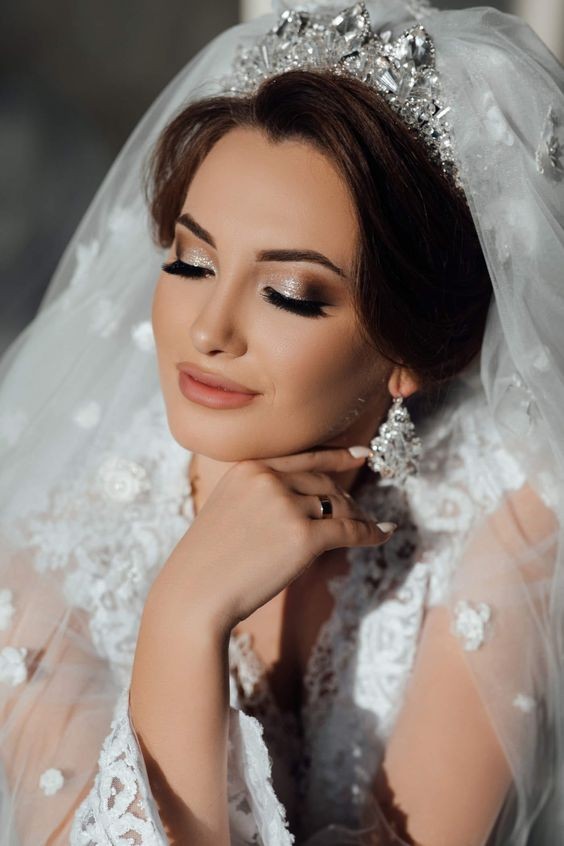
Bridal Beauty by Mirna: Expert Wedding & Special Occasion Makeup Across Hertfordshire & Beyond

Your wedding day is one of the most important days of your life, and looking your absolute best is essential. When it comes to achieving the perfect bridal look, makeup plays a crucial role. That’s where **Mirna**, an expert makeup artist specializing in wedding and special occasion makeup, comes in. Serving Hertfordshire, St Albans, London, Cambridge, and beyond, Mirna is renowned for creating stunning, personalized looks that make brides feel confident, beautiful, and radiant on their special day.

#### **Why Choose Mirna for Your Bridal Makeup?**

Mirna's approach to makeup is all about enhancing your natural beauty while ensuring you look flawless in person and on camera. With years of experience in the industry, Mirna understands the unique needs of bridal makeup, from creating a look that complements your wedding dress and theme to ensuring it lasts through tears, hugs, and hours of celebration.

Here’s why Mirna is the go-to makeup artist for brides across Hertfordshire and beyond:

**1. Personalized Consultation*
Mirna begins with a thorough consultation to understand your vision for your wedding day. Whether you’re dreaming of a soft, romantic look or something more glamorous and bold, Mirna tailors her approach to match your style and preferences. She considers everything from your skin tone and facial features to the overall theme of your wedding to create a look that feels authentically you.

**2. Flawless Application*
Mirna uses high-quality, professional-grade products that not only enhance your features but also ensure longevity. From foundation that stays perfect all day to eye makeup that highlights your eyes in just the right way, every aspect of your makeup will be meticulously applied to withstand the rigors of your big day.

**3. Expertise Across All Skin Types*
Mirna is experienced in working with a wide range of skin types and tones. Whether you have sensitive skin, oily skin, or need special consideration for skin conditions, she has the expertise to select the right products and techniques to ensure your skin looks its best.

**4. Trial Sessions*
To ensure everything is perfect on the day of your wedding, Mirna offers trial makeup sessions. This allows you to see your bridal look in advance and make any adjustments needed. It also gives you peace of mind knowing exactly how your makeup will look on your big day.

**5. Special Occasion Makeup*
In addition to bridal makeup, Mirna is also available for other special occasions. Whether you’re attending a gala, a prom, or a significant event, she can create a look that makes you stand out. Her expertise in makeup artistry extends to any occasion where you want to look and feel your best.

#### **Serving Hertfordshire, St Albans, London, and Beyond**

Mirna’s services are available across a broad area, including Hertfordshire, St Albans, London, Cambridge, Stevenage, Hitchin, Harpenden, Harlow, Welwyn, and Hertford. She offers on-site makeup services, traveling to your location on the day of your event to provide a stress-free, personalized experience.

#### **The Mirna Experience**

Working with Mirna means more than just having your makeup done—it’s about experiencing a moment of calm and confidence on your big day. Her friendly, calming presence helps put brides and clients at ease, allowing them to relax and enjoy the pampering process. Mirna’s attention to detail, combined with her passion for makeup artistry, ensures that you’ll walk down the aisle feeling truly beautiful.

### **Book Your Bridal Makeup Today**

Your wedding day is a momentous occasion, and your makeup should reflect the significance of the event. With Mirna, you’ll receive expert makeup services that elevate your natural beauty and help you shine on your big day. Whether you’re planning a wedding in Hertfordshire or a special event in London, Cambridge, or beyond, Mirna is the makeup artist you can trust to deliver stunning results.

Don’t leave your bridal beauty to chance—book your consultation with Mirna today and take the first step toward achieving your dream wedding look.

#bridalbeauty #weddingmakeup #makeupbymirna #hertfordshiremakeup #londonbrides #cambridgeweddings #flawlessmakeup #specialoccasionmakeup #bridalglam

image
Respect!
Kommentar
Delen
Grace's Gorgeous Pins
1 y ·Vertalen

Amazing and Beautiful Drawing Ideas: Unleash Your Creativity

Drawing is more than just putting pencil to paper; it’s a way to express your creativity, explore your emotions, and communicate without words. Whether you're a seasoned artist or a beginner, sometimes finding the right idea to draw can be a challenge. Here are some amazing and beautiful drawing ideas to inspire your next masterpiece.

1. Nature Scenes

Nature offers an endless source of inspiration. From the towering mountains to the smallest insects, the natural world is full of beauty waiting to be captured. Consider drawing:

Majestic Mountains: Imagine a breathtaking landscape with snow-capped peaks, lush valleys, and a serene lake reflecting the sky.

Floral Fantasies: Flowers in full bloom, delicate petals, and intricate leaves can make for a beautiful study in detail and color.

Forest Pathways: A winding trail through an enchanted forest, where the light filters through the trees and creates a dappled effect on the ground.

Seascapes: The dynamic motion of waves crashing against the shore, a lighthouse standing tall amidst a storm, or a calm sunset over the ocean.

2. Portraits with a Twist

Portraits are a classic subject, but adding a unique twist can turn them into something extraordinary. Here are some ideas:

Surreal Portraits: Blend realism with fantasy by incorporating unusual elements, like a face dissolving into butterflies or a head filled with swirling galaxies.

Abstract Faces: Experiment with colors, shapes, and lines to create a face that conveys emotion and personality without relying on realistic features.

Cultural Portraits: Draw people from different cultures, incorporating traditional clothing, accessories, and settings to celebrate diversity.

Expressive Eyes: Focus solely on the eyes, capturing the depth and emotion they can convey. Eyes are often called the windows to the soul, making them a powerful subject.

3. Fantastical Creatures

Unleash your imagination by creating your own fantastical creatures. Whether they are fearsome dragons or gentle forest spirits, these beings can be as wild and wonderful as you wish.

Mythical Beasts: Dragons, griffins, and unicorns have long captured the human imagination. Draw them in action, soaring through the skies or guarding ancient treasures.

Hybrid Animals: Combine different species to create something entirely new, like a lion with the wings of an eagle or a fish with the legs of a deer.

Fantasy Worlds: Place your creatures in a world of their own. Design a detailed environment, like a floating island or an underwater kingdom, that enhances the mystique of your creatures.

4. Cityscapes and Architecture

Urban landscapes are rich with lines, angles, and perspectives, making them perfect for intricate and beautiful drawings.

Skylines at Sunset: Capture the silhouette of a city against a vibrant sky. The contrast between the dark buildings and the colorful sunset can create a stunning effect.

Historical Architecture: Draw famous landmarks or ancient ruins, paying attention to the intricate details that define their unique styles.

Futuristic Cities: Imagine a city of the future, with towering skyscrapers, flying cars, and innovative architecture that defies the norms of today.

Hidden Alleys: Find beauty in the less obvious parts of a city, like a quiet alley filled with potted plants, old lanterns, and cobblestone paths.

5. Abstract and Geometric Designs

If you're drawn to patterns and symmetry, abstract and geometric designs offer a playground for your creativity.

Mandalas: These intricate, circular designs are both meditative and beautiful. Experiment with different shapes, patterns, and color schemes to create a mandala that reflects your mood.

Optical Illusions: Create mind-bending drawings that play with perspective and perception, making flat surfaces appear three-dimensional.

Geometric Animals: Combine the organic shapes of animals with geometric patterns. A fox made entirely of triangles or a bird with wings composed of hexagons can be both modern and visually striking.

Colorful Abstracts: Let your imagination run wild with swirls, lines, and splashes of color. Abstract art allows for total freedom of expression, where the only limit is your creativity.

6. Whimsical Illustrations

Whimsy is all about playful, light-hearted fun. It’s a great way to add joy and creativity to your drawings.

Fairy Tales and Storybook Scenes: Bring to life characters and scenes from your favorite childhood stories. A princess in a tower, a knight battling a dragon, or a magical forest filled with talking animals.

Cute Animals: Draw animals in a cute and cartoony style, perhaps wearing clothes, holding objects, or engaging in human-like activities.

Dreamy Landscapes: Imagine a world where gravity doesn’t apply, where islands float in the sky, and where trees grow candy instead of fruit.

Fantasy Food: Create whimsical drawings of food items that are out of this world, like a cake that’s also a castle or a pizza with a galaxy of toppings.

7. Emotion and Movement

Capture the essence of emotion and movement in your drawings to create a powerful impact.

Dancing Figures: Show the fluid motion of a dancer mid-twirl, capturing the grace and energy of the movement.

Expressive Gestures: Hands can convey so much emotion. Draw hands in various positions, from clenched fists to gentle caresses, to express different feelings.

Stormy Skies: Draw a landscape under a dramatic sky, where dark clouds swirl and lightning splits the heavens, conveying a sense of intensity and movement.

Running Animals: Capture the speed and power of an animal in motion, whether it’s a cheetah sprinting across the savannah or a horse galloping through a field.

8. Intricate Patterns and Doodles

Sometimes the beauty is in the details. Intricate patterns and doodles can be mesmerizing to create and to look at.

Zen Doodles: These repetitive, flowing patterns are not only beautiful but also relaxing to draw. They can fill a whole page or be used to accent a larger design.

Detailed Florals: Fill a page with delicate flowers, leaves, and vines, creating a dense, intricate pattern that’s full of life and movement.

Patterned Animals: Take a simple animal silhouette and fill it with complex patterns, like paisleys, swirls, or geometric shapes.

Mosaic Designs: Draw a design that looks like a mosaic, with tiny, individual pieces coming together to form a larger image. This can be a fun way to experiment with color and composition.

Conclusion

Drawing is a journey of exploration and creativity. Whether you’re inspired by the natural world, the complexity of human emotions, or the whimsicality of fantasy, there’s always something new and beautiful to create. The ideas shared here are just starting points—feel free to mix, match, and modify them to suit your own artistic vision. The most important thing is to enjoy the process and let your creativity flow. Happy drawing!

image
Respect!
Kommentar
Delen
digital graphics art
digital graphics art  Heeft zijn profielfoto gewijzigd
1 y

image
Respect!
Kommentar
Delen
Grace's Gorgeous Pins
1 y ·Vertalen

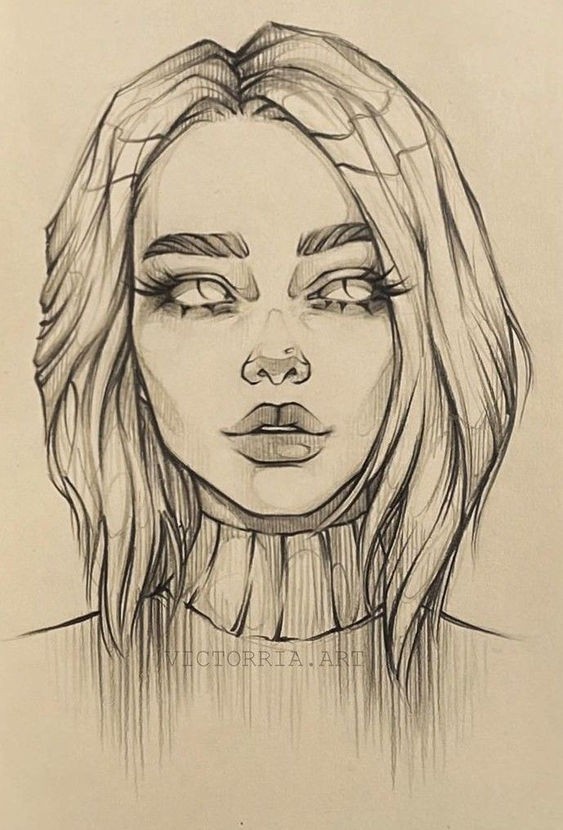
How to Quickly Sketch a Girl's Face: A Step-by-Step Guide

Sketching a girl's face can be a rewarding artistic endeavor. Whether you're a beginner or an experienced artist, capturing the delicate features and expressions of a female face requires practice, attention to detail, and a good understanding of proportions. This guide will walk you through the process of creating a quick sketch of a girl's face, focusing on basic techniques that can be applied to any portrait.

Materials You’ll Need

Pencil: A standard HB pencil is ideal for sketching, but you might want to have softer (2B, 4 or harder (2H) pencils for shading and finer details.

Eraser: A kneaded eraser works well for lightening areas without leaving residue.

Paper: Any sketching paper will do, though a medium-weight paper can handle erasing and shading better.

Blending Stump: This tool is useful for softening lines and blending shading, though it's optional.

Step 1: Draw the Basic Head Shape

Start by drawing an oval to represent the head. This oval doesn't have to be perfect—it's just a guideline. Typically, a female face has softer and rounder features, so ensure your oval reflects that. Lightly draw a vertical line down the center of the oval to divide the face into two equal halves. Then, add a horizontal line slightly below the middle of the oval for the eye line.

Step 2: Mark the Facial Proportions

Facial proportions are crucial in creating a balanced and realistic sketch. From the eye line, measure the space to the bottom of the chin and divide this distance into thirds. The first line marks the bottom of the nose, and the second line represents the placement of the mouth. Draw these lines lightly, as they serve as guides for where the features will be placed.

Step 3: Sketch the Eyes

The eyes are often the most expressive part of the face. Begin by drawing almond shapes on the eye line. Remember that the distance between the eyes is roughly the width of one eye. Add the iris and pupil inside the eye shape, ensuring they are positioned slightly below the upper eyelid. This will give the eyes a natural, relaxed appearance. Lightly shade the upper eyelid and add some detail to the lashes, keeping them soft and curved.

Step 4: Outline the Nose

The nose can be challenging, but breaking it down into simple shapes can help. Start by sketching two small circles where the nostrils will be. Connect these circles with gentle curves to form the base of the nose. Then, draw a light line upward to define the bridge of the nose. Keep the lines subtle and soft, as a girl's nose often has delicate features.

Step 5: Draw the Mouth

The mouth sits just below the nose line. Start by drawing a horizontal line to represent the opening of the mouth. The top lip typically has a slight curve in the middle, while the bottom lip is fuller and softer. Draw the outline of the lips, paying attention to their proportion and shape. The corners of the mouth should align roughly with the center of each eye.

Step 6: Add the Eyebrows and Ears

The eyebrows frame the face and add expression. Draw them above the eyes, following the natural curve of the brow bone. Eyebrows can vary in thickness and shape, so experiment with different styles. The ears should be placed between the eye line and the nose line, curving slightly outward. Remember that the top of the ear aligns with the eye line, and the bottom with the nose line.

Step 7: Sketch the Hair

Hair adds volume and movement to your sketch. Start by outlining the general shape of the hairstyle, keeping the strokes loose and fluid. Remember that hair grows from the scalp, so pay attention to where the hairline begins. Draw the individual strands following the flow of the hair, using long, sweeping lines. Avoid making the hair too detailed; instead, focus on capturing the overall shape and direction.

Step 8: Refine and Add Details

Now that the basic structure of the face is in place, you can refine the features and add details. Darken the lines you want to emphasize, such as the eyes, nose, and mouth. Add shading to give the face depth and dimension, focusing on areas like the cheeks, under the eyes, and around the nose. Use your blending stump to soften the shading and create smooth transitions between light and dark areas.

Step 9: Final Touches

Take a step back and assess your sketch. Make any necessary adjustments to the proportions or details. Add highlights to the eyes and lips to give them a natural shine. You can also add subtle shading around the edges of the face to make it stand out more against the background. Once you're satisfied with your sketch, erase any remaining guidelines and smudges to clean up your work.

Conclusion

Sketching a girl's face is a great way to practice and improve your drawing skills. By following these steps, you can create a quick and effective portrait that captures the essence of the subject. Remember, practice makes perfect, so don't be discouraged if your first attempts aren't exactly what you envisioned. With time and patience, you'll develop your unique style and approach to drawing faces. Happy sketching!

image
Respect!
Kommentar
Delen
digital graphics art
1 y

image
Respect!
Kommentar
Delen
Grace's Gorgeous Pins
1 y ·Vertalen

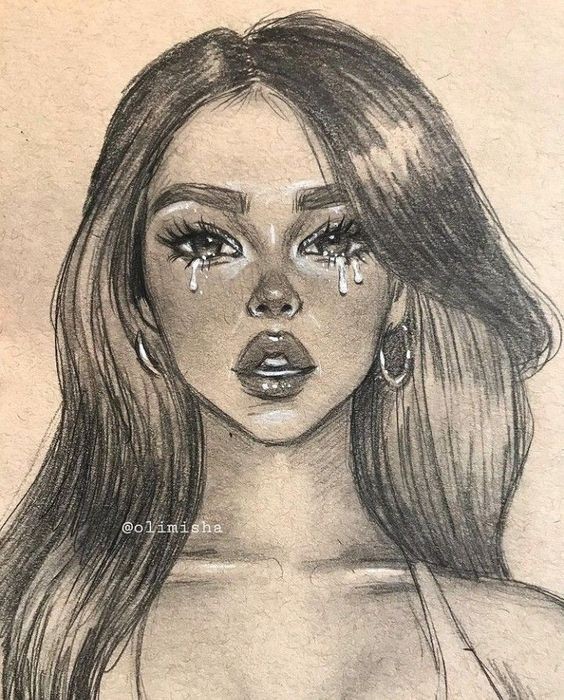
How to Draw a Beautiful and Easy Girl's Face: A Step-by-Step Guide

Drawing a girl’s face might seem challenging at first, but with the right approach, it becomes an enjoyable and rewarding experience. This guide will walk you through the process step-by-step, making it easy for beginners and fun for those with more experience.

Materials You’ll Need:

Pencil (HB for sketching, 2B or 4B for shading)

Eraser

Paper

Optional: Colored pencils or markers for adding color

Step 1: Basic Outline of the Face

Start by drawing an oval shape, which will serve as the basic structure of the face. This shape doesn’t have to be perfect; it’s just a guide. Draw a vertical line down the middle of the oval. This line will help you keep the facial features symmetrical. Then, draw a horizontal line slightly below the middle of the oval—this will be your eye line.

Step 2: Placing the Eyes

On the horizontal line, draw two almond-shaped eyes. The eyes should be spaced about one eye-width apart. If you're unsure about the proportions, imagine the face is divided into five equal parts horizontally—the eyes should occupy the second and fourth parts. Draw a small circle within each eye to represent the pupils, and add a slight curve above each eye for the eyelids.

Step 3: Drawing the Nose

Move down the vertical line to about halfway between the eye line and the bottom of the oval. This is where you’ll place the nose. Start with a simple curve or a small triangle shape for the nose tip. Then, draw two small curves on either side to represent the nostrils. For a more refined look, you can add a gentle curve to outline the bridge of the nose.

Step 4: Adding the Lips

To draw the lips, find the point on the vertical line that is about a third of the way down from the nose to the chin. This will be where the center of the lips meets. Draw a horizontal line at this point. Start with the upper lip by drawing a curved “M” shape on top of this line. For the lower lip, draw a simple curve beneath the line. The lower lip should be fuller than the upper lip.

Step 5: Shaping the Face

Now, refine the shape of the face. Add slight curves to the sides of the oval to define the cheeks and jawline. The cheeks should be widest just below the eyes, tapering down to a more pointed chin.

Step 6: Drawing the Ears

The top of the ears should align with the eye line, while the bottom of the ears should align with the bottom of the nose. Draw simple, curved lines on each side of the face to create the ears. If your character has long hair that covers the ears, this step can be simplified or skipped.

Step 7: Adding the Hair

Hair can drastically change the character’s appearance. Start by sketching the hairline, which typically begins slightly above the eyes. Then, draw the hair in sections, following the natural flow of hair. You can create a variety of hairstyles—long, short, straight, curly—depending on the look you want. Remember that hair has volume, so draw it slightly above the head.

Step 8: Final Details and Shading

Now, go back and add details to the eyes, such as eyelashes and reflections in the pupils. Add eyebrows above the eyes, keeping their shape consistent with the expression you want to convey. For shading, use a softer pencil like 2B or 4B to add depth to the eyes, nose, lips, and hair. Gently shade under the eyebrows, along the sides of the nose, and beneath the lower lip to give the face more dimension.

Step 9: Coloring (Optional)

If you want to add color, now’s the time. Lightly color the skin with a soft peach or pink shade, the eyes with your chosen color, and the lips with a light red or pink. Use different shades for the hair to add texture and shine.

Final Thoughts

With practice, these steps will become second nature, and you’ll be able to draw beautiful and diverse faces with ease. The key is to start with basic shapes and slowly refine your drawing by adding details. Don’t be afraid to experiment with different styles, expressions, and hairdos.

image
Respect!
Kommentar
Delen
Showing 8785 out of 11866
  • 8781
  • 8782
  • 8783
  • 8784
  • 8785
  • 8786
  • 8787
  • 8788
  • 8789
  • 8790
  • 8791
  • 8792
  • 8793
  • 8794
  • 8795
  • 8796
  • 8797
  • 8798
  • 8799
  • 8800

Aanbieding bewerken

Voeg tier toe


Selecteer een afbeelding
Verwijder je tier
Weet je zeker dat je deze tier wilt verwijderen?

beoordelingen

Om uw inhoud en berichten te verkopen, begint u met het maken van een paar pakketten. Inkomsten genereren

Betaal per portemonnee

Betalingswaarschuwing

Je staat op het punt om de items te kopen, wil je doorgaan?

Vraag een terugbetaling